
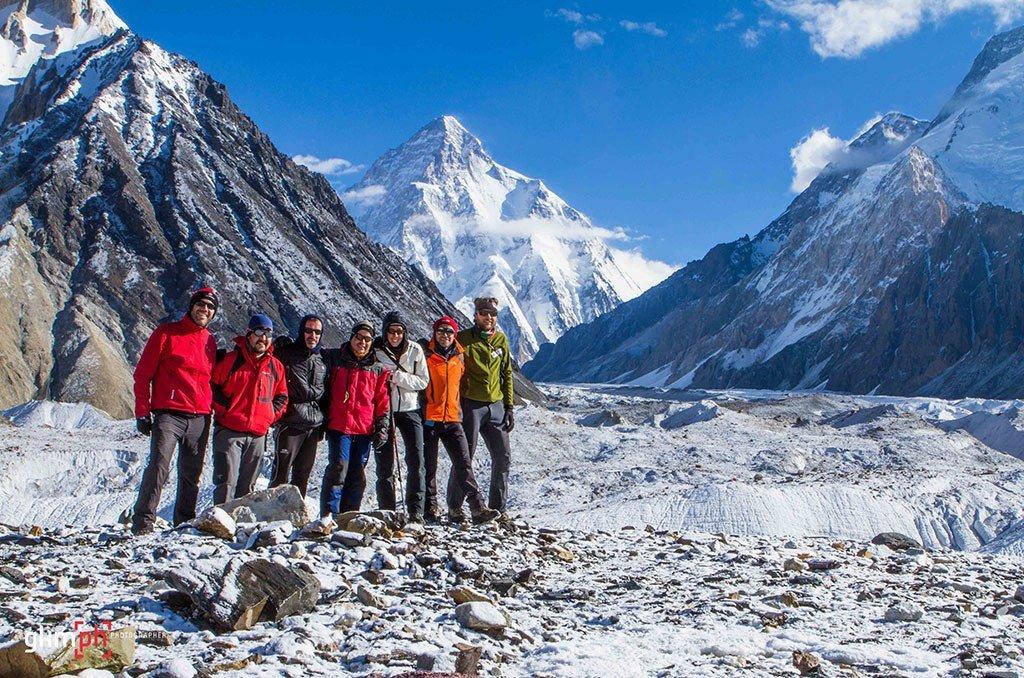
K2 Base Camp Trek Altitude Guide: Height, Acclimatization & Altitude Sickness
The K2 Base Camp Trek is one of the world’s most rewarding high-altitude adventures, taking trekkers deep into Pakistan’s spectacular Karakoram Mountains. While no technical climbing is required, the journey reaches an elevation of approximately 5,150 meters (16,896 feet), making altitude one of the most important factors to understand before beginning the expedition.
Many first-time trekkers worry about altitude sickness more than the physical challenge itself. The good news is that a carefully designed itinerary, gradual acclimatization, proper hydration, and experienced local guides significantly reduce the risk of altitude-related illnesses. Understanding how altitude affects the human body will help you prepare with confidence and enjoy every moment of this unforgettable journey.
In this comprehensive altitude guide, the experts at GB Trek & Tours explain everything you need to know about altitude, acclimatization, Acute Mountain Sickness (AMS), prevention strategies, and practical tips to help you safely complete the K2 Base Camp Trek.
What Is the Altitude of K2 Base Camp?
K2 Base Camp sits at an elevation of approximately 5,150 meters (16,896 feet) above sea level in the Central Karakoram National Park of Gilgit-Baltistan, Pakistan. It serves as the primary base for mountaineering expeditions attempting to climb K2, the world’s second-highest mountain at 8,611 meters.
Unlike many famous trekking destinations, reaching K2 Base Camp requires gradual elevation gain over several days. This allows trekkers to acclimatize naturally while crossing the breathtaking Baltoro Glacier and visiting iconic camps such as Paiju, Urdukas, Goro II, and Concordia.
Although the altitude is significant, the carefully planned trekking itinerary helps minimize the risks associated with high elevations.
Altitude Profile of the K2 Base Camp Trek
One of the reasons the K2 Base Camp Trek has a high success rate is its gradual increase in elevation. Rather than ascending rapidly, trekkers spend several days gaining altitude slowly, giving the body enough time to adapt to lower oxygen levels.
| Location | Approximate Altitude |
|---|---|
| Islamabad | 540 m |
| Skardu | 2,230 m |
| Askole Village | 3,050 m |
| Paiju Camp | 3,450 m |
| Urdukas Camp | 4,050 m |
| Goro II | 4,300 m |
| Concordia | 4,691 m |
| Broad Peak Base Camp | 4,850 m |
| K2 Base Camp | 5,150 m |
This progressive altitude gain is one of the key reasons why experienced trekking companies, including GB Trek & Tours, design itineraries that prioritize acclimatization rather than speed.
Why Does Altitude Matter During the K2 Base Camp Trek?
As altitude increases, atmospheric pressure decreases. Although the percentage of oxygen in the air remains almost the same, each breath contains fewer oxygen molecules than at sea level. Your body therefore has to work harder to deliver oxygen to your muscles and vital organs.
This reduced oxygen availability can affect anyone regardless of age, fitness level, or previous trekking experience. Even professional athletes may develop altitude sickness if they ascend too quickly.
Fortunately, proper acclimatization allows the body to make physiological adjustments such as increasing breathing rate, producing more red blood cells, and improving oxygen delivery throughout the body.
How Your Body Adapts
- Breathing becomes deeper and more frequent.
- Your heart rate increases to transport oxygen more efficiently.
- The body gradually produces additional red blood cells.
- Your muscles become more efficient at utilizing available oxygen.
- Hydration requirements increase due to faster breathing.
These natural adaptations make it possible for most healthy trekkers to safely complete the K2 Base Camp Trek when following a properly planned itinerary.
Understanding Acute Mountain Sickness (AMS)
Acute Mountain Sickness (AMS) is the most common altitude-related illness experienced by trekkers visiting elevations above 2,500 meters. It occurs when the body does not have sufficient time to adjust to reduced oxygen levels.
Fortunately, most cases of AMS are mild and improve with rest, hydration, and proper acclimatization. Experienced trekking guides monitor participants daily to recognize symptoms early and respond appropriately.
Common Symptoms of Mild AMS
- Headache
- Fatigue
- Loss of appetite
- Mild nausea
- Difficulty sleeping
- Dizziness
- Shortness of breath during physical activity
Moderate Symptoms
- Persistent headache
- Vomiting
- Difficulty walking normally
- Extreme fatigue
- Poor coordination
Serious Symptoms Requiring Immediate Attention
- Confusion
- Difficulty breathing while resting
- Persistent coughing with frothy sputum
- Loss of balance
- Loss of consciousness
If severe symptoms appear, immediate descent is essential. This is why trekking with experienced local guides is strongly recommended for all K2 Base Camp expeditions.