Frequently Asked Questions About Trekking in Pakistan
Planning a trekking adventure in Pakistan? GB Trek & Tours helps travelers
explore the Karakoram Mountains, Gilgit-Baltistan, Hunza Valley, Skardu and
some of Pakistan’s most spectacular mountain landscapes. Find answers to
common questions about trekking seasons, travel to Skardu, fitness,
accommodation, local food, photography and travel arrangements.
When is the best time for trekking in Pakistan?
The best time for trekking in Pakistan depends on the route, altitude and
weather conditions. Many treks in the Karakoram Mountains and Gilgit-Baltistan
are most accessible from June to September. Spring is also a popular season
for visiting Hunza Valley to see apricot blossoms, while high-altitude routes
may remain snow-covered or inaccessible.
For the K2 Base Camp Trek, Gondogoro La Trek and other demanding Karakoram
routes, check the recommended trekking season and current conditions before
booking. Contact GB Trek & Tours for route-specific advice.
When can I see apricot blossoms in Hunza Valley?
Apricot blossoms in Hunza Valley generally appear in spring, often from
March into April. The exact timing varies with altitude, temperatures and
weather conditions. Blossoms may appear earlier in lower areas and later
in higher villages.
If seeing the blossoms is a priority, allow some flexibility in your travel
dates. The bloom period can change from year to year, so confirm the latest
local conditions before finalizing your itinerary.
Are flights from Islamabad to Skardu guaranteed?
No. Flights between Islamabad and Skardu are weather-dependent and may be
delayed, rescheduled or cancelled because of visibility, cloud cover or
other operational conditions.
Travelers should allow extra time in their itinerary, especially when an
international flight, trekking departure or other fixed booking follows
their arrival in Pakistan. A road journey via the Karakoram Highway may
be an alternative when practical, but road travel can also be affected by
weather, landslides and road closures.
Should I travel to Skardu by air or by road?
Flying from Islamabad to Skardu is generally much faster when flights
operate as scheduled. Traveling by road offers opportunities to experience
mountain valleys, rivers and sections of the Karakoram Highway, but requires
considerably more time.
Feature
Flight to Skardu
Road journey
Travel time
Usually around one hour in the air, subject to the schedule
Often a full day or longer, depending on the route and conditions
Reliability
Dependent on weather and airline operations
Dependent on road and weather conditions
Experience
Potential mountain views from the aircraft
Roadside scenery, valleys, rivers and mountain communities
Travel times are estimates rather than guarantees. Confirm current flight
schedules and road conditions before departure.
What fitness level is required for trekking in Pakistan?
Fitness requirements depend on the trek. Short walks around Hunza or Skardu
may suit travelers with basic fitness, while multi-day treks such as the
K2 Base Camp Trek and Gondogoro La Trek require stronger endurance and
preparation.
Before booking, consider the daily walking distance, elevation gain,
altitude, terrain and number of trekking days. Build up your walking
endurance before the trip and discuss any concerns with your tour operator.
Technical mountaineering expeditions require additional skills and
preparation beyond ordinary trekking.
Can solo travelers join a trekking tour in Pakistan?
Solo travelers can explore trekking and sightseeing options in Pakistan.
Depending on the itinerary, they may be able to book a private trip or
request to join a group departure.
Group availability, room arrangements and single-room supplements vary by
package. Ask GB Trek & Tours about the available options, group dates
and total cost before confirming your booking.
What food can I expect during a trek in Pakistan?
Food varies by destination and accommodation. In towns such as Skardu and
Karimabad, travelers can find Pakistani dishes and regional specialties.
Popular foods in Gilgit-Baltistan include chapshuro, mamtu and dowdo, along
with rice, lentils, vegetables, bread and other local meals.
Food options become more limited on remote trekking routes. If you have
vegetarian, vegan, allergy-related or other dietary requirements, tell
your tour operator in advance so arrangements can be discussed.
Will I have electricity and facilities to charge my devices?
Charging facilities are generally available in many hotels and guesthouses
in towns, although electricity interruptions can occur. Facilities may be
limited at remote campsites and during multi-day treks.
Bring a suitable power bank, charging cables and spare camera batteries.
Keep batteries warm in cold conditions and check whether your trekking
package provides charging facilities at overnight stops.
What camera equipment should I bring for trekking in Pakistan?
The best camera setup depends on your interests, weight limits and itinerary.
A wide-angle lens can capture mountain landscapes, while a telephoto lens
is useful for distant peaks and wildlife when photographing from a safe
and appropriate distance.
Camera: Bring a camera or smartphone you know how to use.
Lenses: Choose lenses suited to landscapes, mountain details and wildlife.
Protection: Carry a weather-resistant bag or protective cover.
Power: Pack spare batteries and a suitable power bank.
Storage: Bring sufficient memory cards or storage for your trip.
Filters: Consider a polarizing filter if it suits your photography style.
For trekking, prioritize lightweight equipment, protection from dust and
moisture, and safe storage. Ask permission before photographing local
residents, and respect anyone who does not wish to be photographed.
What happens if the weather changes during a trek or tour?
Mountain weather can change quickly. Rain, snow, strong winds, poor
visibility, landslides or unsafe trail conditions may require a change
to the itinerary.
Depending on the location and circumstances, your guide or tour operator
may recommend waiting, taking a safer route, changing the day’s activities
or returning to a lower elevation. Safety should take priority over
completing a planned route or reaching a viewpoint.
Is Gilgit-Baltistan suitable for international travelers?
Gilgit-Baltistan welcomes domestic and international visitors who come to
experience its mountain scenery, cultural heritage and trekking routes.
However, travelers should review current official travel advice, local
access conditions and any route-specific requirements before departure.
Respect local customs, dress appropriately for the setting, ask permission
before photographing people and follow your guide’s instructions in
villages and remote mountain areas. Conditions can vary by destination
and season.
Can I extend my stay in Pakistan after my trek?
You may be able to extend your stay, subject to your visa category and
the applicable immigration rules. Requirements and processing times can
change, so consult the official Pakistani immigration or visa authorities
for current instructions before making plans.
If you intend to extend your trip, check your visa validity and allow
sufficient time for any required application. Do not assume that an
extension will be approved before your current permission expires.
How can I choose the right trekking package in Pakistan?
Choose a trek based on your fitness, experience, available time, preferred
scenery and budget. Shorter trips around Hunza and Skardu differ
considerably from remote, high-altitude journeys such as the K2 Base Camp
Trek or Gondogoro La Trek.
Before booking, review the itinerary, accommodation, meals, transport,
guide services, permits, equipment requirements, exclusions and cancellation
terms. Confirm which services are included in the quoted price.
How can I book a trekking tour with GB Trek & Tours?
Contact GB Trek & Tours with your preferred destination, travel dates,
group size and trekking experience. Share whether you are interested in
the K2 Base Camp Trek, Gondogoro La Trek, another Karakoram route or a
customized trip in Gilgit-Baltistan.
Request the latest itinerary, package price, inclusions, exclusions and
availability before confirming your booking.
Ready to plan your trip? Contact GB Trek & Tours to
discuss your trekking plans and find an itinerary suited to your interests
and experience.
“`
Mission
Vision
Mr. Nisar Hussain (Late)
Honor: Medal of Honor (posthumous)
Department: Sports (Mountaineering)
Mr. Nisar Hussain has the unique honor of climbing all the five mountains of Pakistan out of the total fourteen mountains of the world above 8000 meters. In 1996, he accomplished the first feat of climbing the mountain. When you reached Sia Kangri (4227 m). In 1999, he accompanied the Korean team to climb Gasherbrum II (8035 meters). In 2000, he once again accompanied the Korean expedition and reached the summit of Broad Peak. In 2003, he summited Gasherbrum II (8035m) and Gasherbrum I (8065m) in a 24-day period with the Korean Expedition. He was selected by Alpine Club Pakistan for the China-Pakistan joint expedition to summit K-2 (8611 m). He proudly hoisted the national flag of Pakistan on the second major peak of Pakistan. In 2008, he summited Nanga Parbat from the side of Diamer with the German expedition and thus became the third Pakistani mountaineer to climb all Pakistani peaks above 8000 meters. In the summer of 2011, he attempted to climb the urban jump ie Gasherbrum I (8068 m), Gasherbrum II (8035 m) and K2 (6118 m) simultaneously. Formed a team together. He summited both Gashe Gasherbrum II and Gasherbrum I along with other international climbers. With a new route on the south face, he chose to be the first Pakistani to climb this difficult peak in winter, as a partner of Gerfried Goshal in a winter expedition to reach the summit of Kater Brim. He was last seen below the summit of Gator Brim 1 on the fateful day of March 9, 2012, along with Gerfried Goschel and Swiss mountaineer Cedric Pehlen, at twelve o'clock when he was disappeared along with his teammates and later. After a search, he was declared missing near the peak.
In recognition of his outstanding performance in the field of sports (mountaineering), the President of the Islamic Republic of Pakistan has awarded the Tamgha-e-Imtiaz (Posthumously) to the late Mr. Nisar Hussain.
Meet Our Team
Adventure
Guide
Our adventure guides are seasoned experts with years of trekking and climbing experience. They ensure your safety on every trail while sharing fascinating insights about the region’s culture, history, and landscapes.
Kazim
Managing Director
The expedition coordinator meticulously plans and organizes every aspect of your journey, from route selection to logistics. Their attention to detail ensures a seamless and enjoyable adventure for every traveler.
Isabella Iqbal
Tour Specialist
Our tour specialists design custom itineraries tailored to your preferences. Whether it’s exploring hidden valleys or indulging in cultural experiences, they ensure your trip is truly unforgettable.
Jaffar Iqbal
Safety Officer
Dedicated to ensuring your well-being, the safety officer oversees all safety protocols during treks and climbs. Equipped with advanced training, they are prepared to handle emergencies with professionalism and care.
Testimonials
What Our Adventurers Say
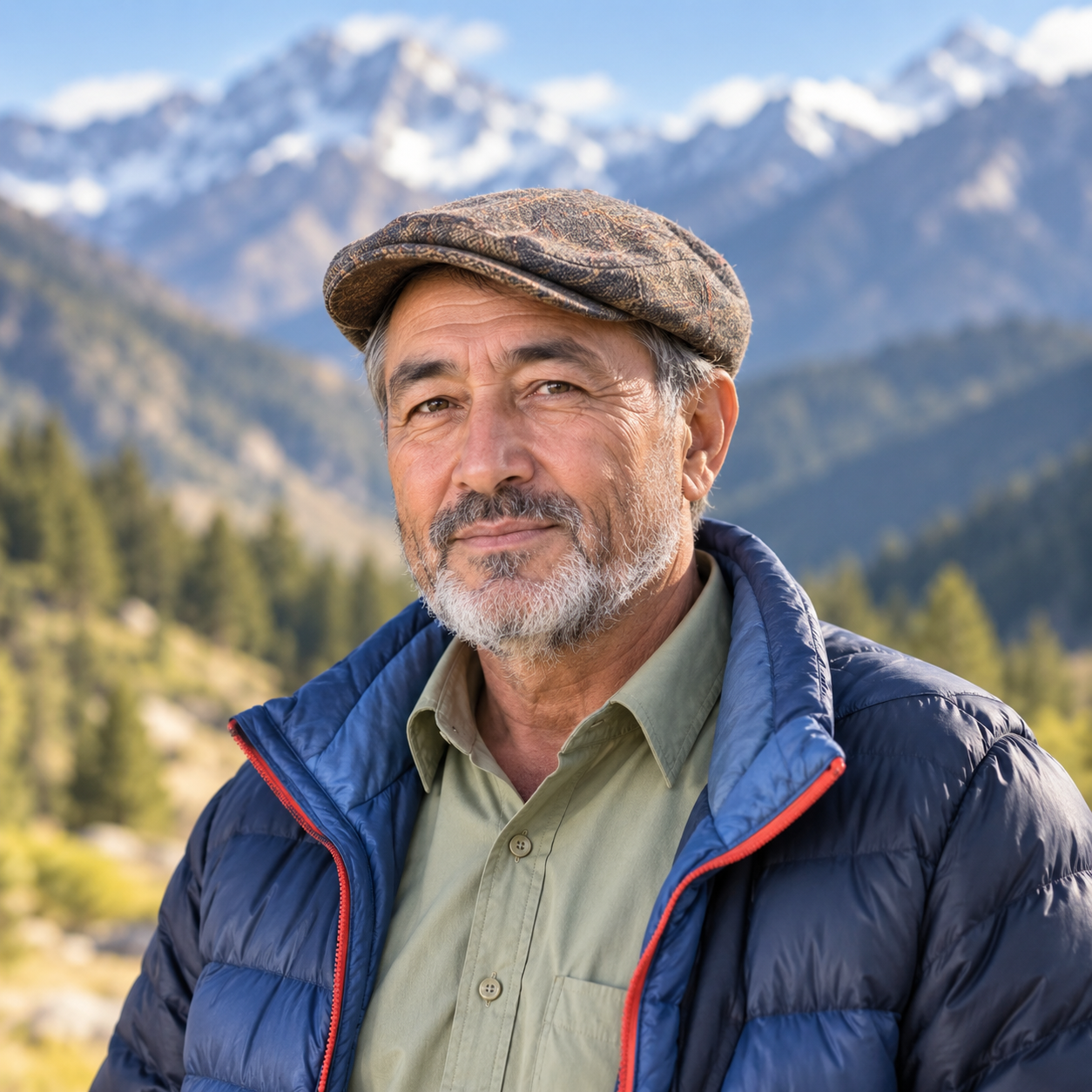
An experience I will never forget in my lifetime.
From the very moment we set out for K2 last year, everything was impeccably organized. The guides were not just experts; with profound knowledge and genuine warmth, they kept us safe while continuously inspiring us.
The instant I stood on the summit, with the sound of the wind intertwining with the sparkle of ice, etched itself deeper into my soul than any video piece or installation I’ve ever created.
- Shen Shaomin, JapaneseCross-media artist
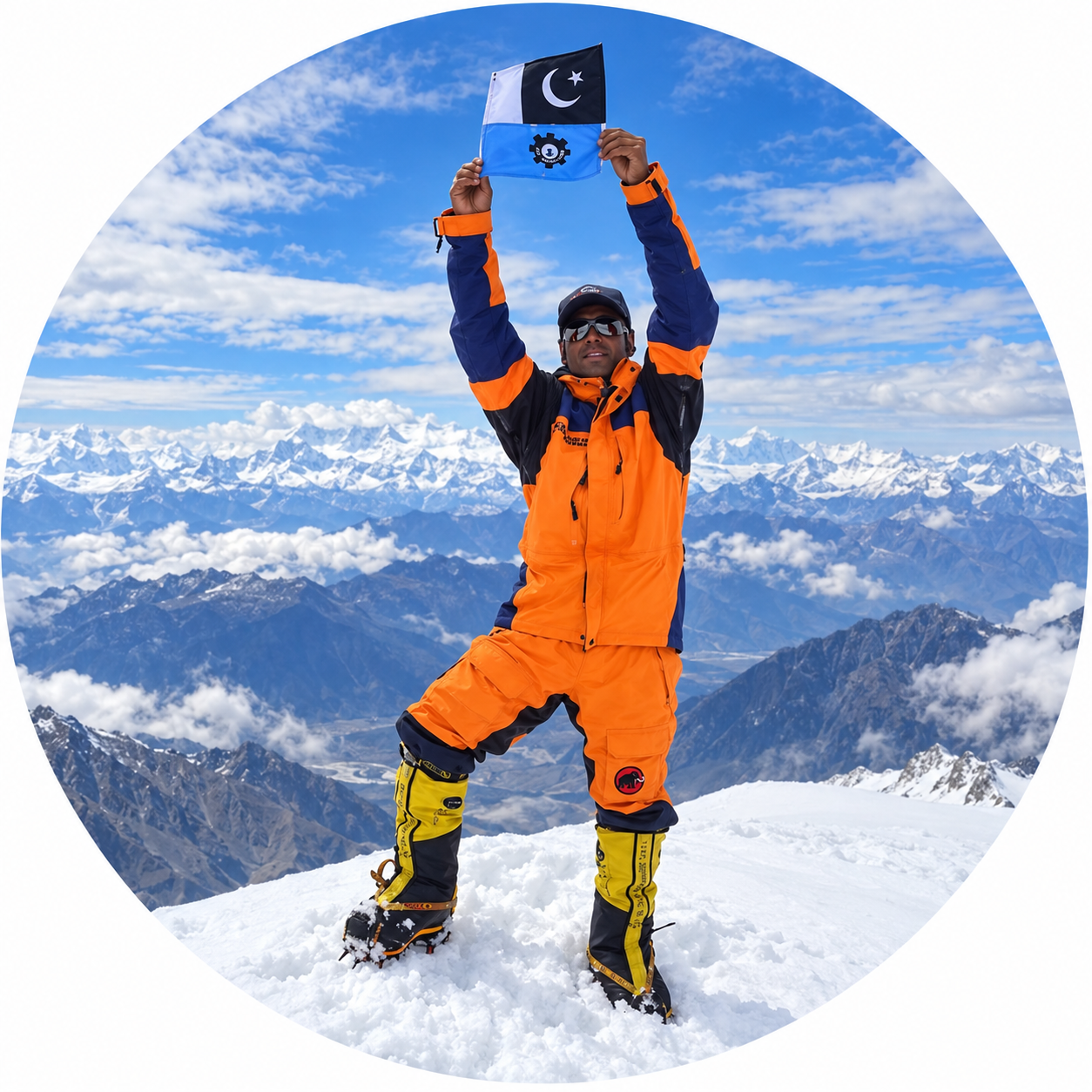
This was hands down the best holiday I've ever had. I joined the guided expedition, and it exceeded all expectations. The itinerary was well thought out, with enough time to truly appreciate each location. The team's attention to detail made the whole trip smooth and enjoyable. Already planning my next adventure with them!
- - Jawad, PakistanBlogger
I took my family on a guided tour with them, and it was beyond our expectations. The natural beauty of the northern areas was breathtaking, and the team made sure we were comfortable and enjoying every moment. From camping under the stars to hiking scenic trails, it was all perfectly arranged. This trip has left us with unforgettable memories. Thank you for an amazing journey!
- Ryō Kaneii Japanesebusiness executive
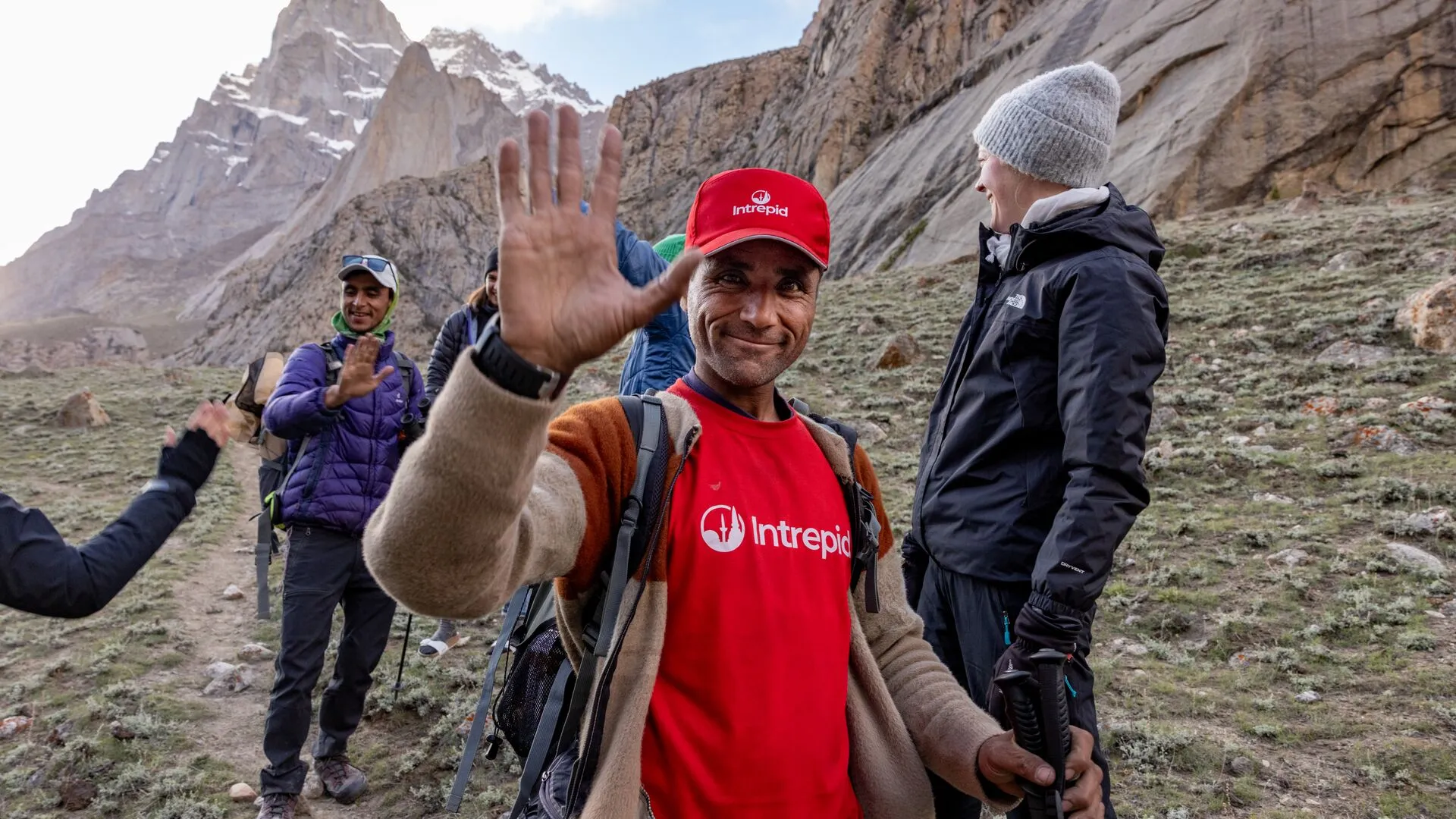
Absolutely unforgettable! From the moment we set out, everything was perfectly organized. The guides were knowledgeable and friendly, making us feel safe and inspired throughout our trek. Each day was a new adventure, with breathtaking views and expertly planned routes. I can't wait for my next expedition with this team!



 - Shen Shaomin, Japanese Cross-media artist

 - - Jawad, Pakistan Blogger
 - Ryō Kaneii Japanese business executive

 - - Emma J. Business Owner
